Lawn Seeding Service

Lawn Seeding Service insight February 21, 2023

Lawn Seeding Service

What is Included With a Top Seeding Package?

Lawn Aeration Boulder, CO
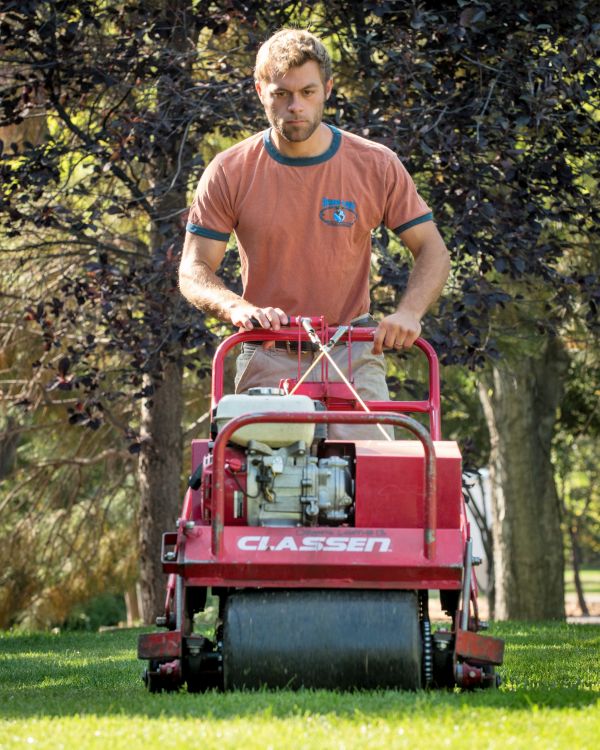
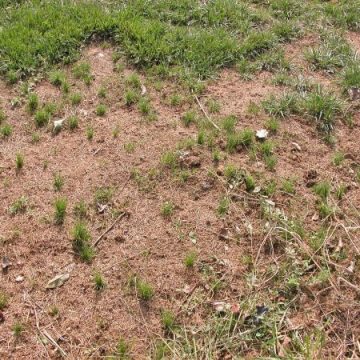
We start with a thicker than normal lawn aeration. Core aeration alleviates soil compaction, opens up holes in the ground, and brings dirt to the lawn’s surface.
Soil Conditioner Services for Lawns
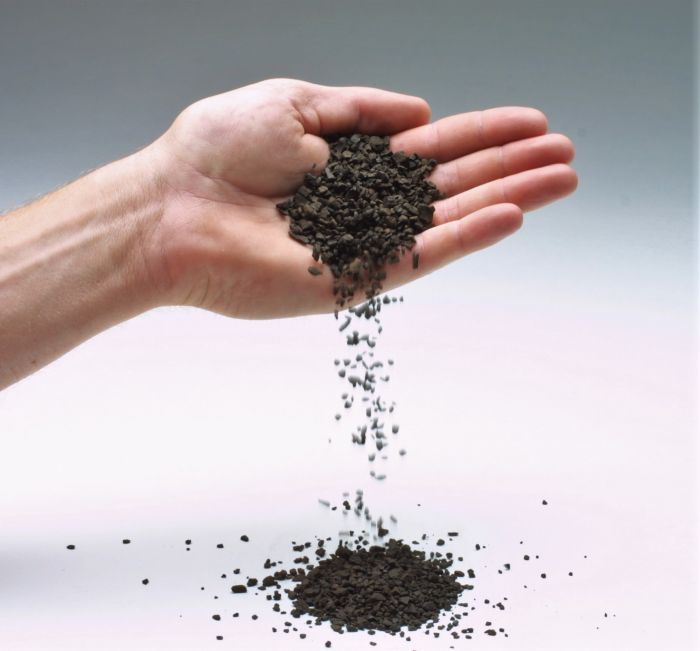
An application of Humate soil conditioner is applied over the entire lawn. Humate has been scientifically proven to increase grass seed germination by as much as 25% and foster new seedling growth.
Water Retention Polymer for Lawns
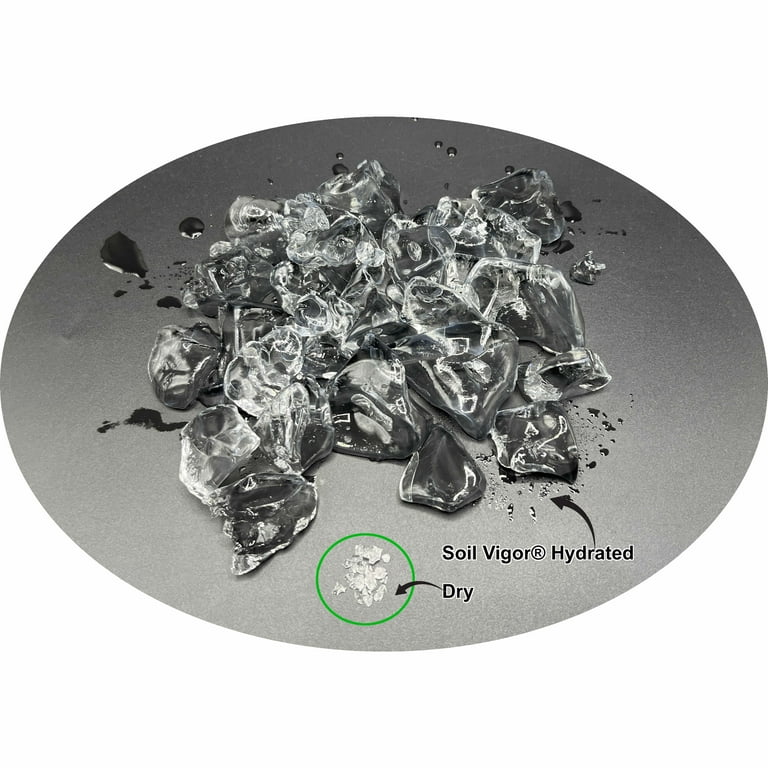
Our water retention polymer called Rain Maker is a polymer that will help sustain a proper amount of moisture in the soil for a successful grass seed germination.

Grass Choice and Super Seeder

Lawn Seeding Service
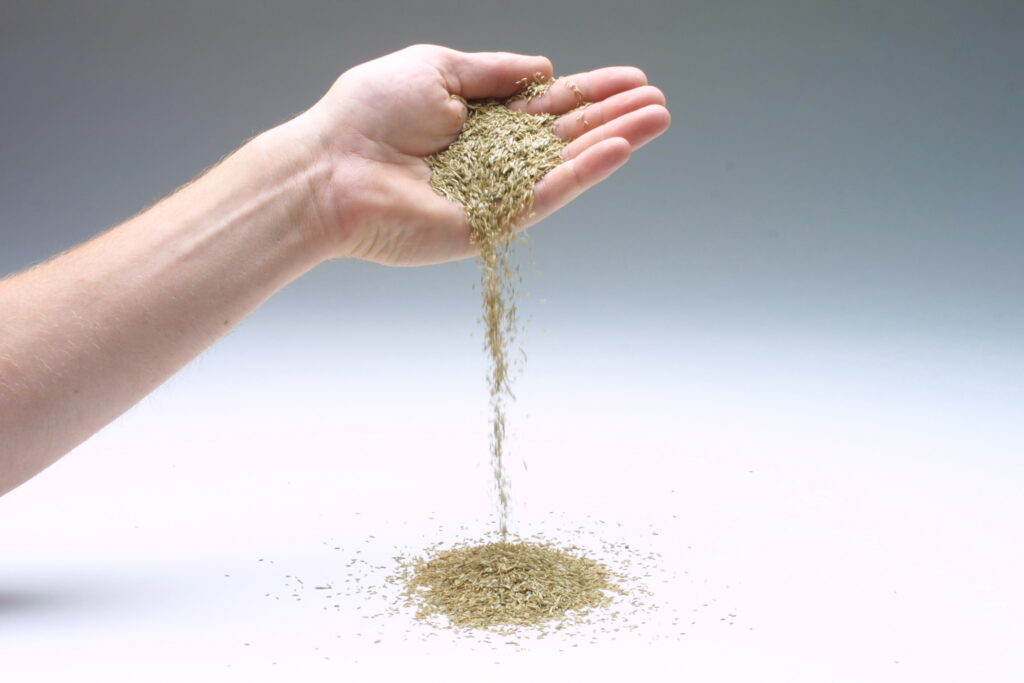
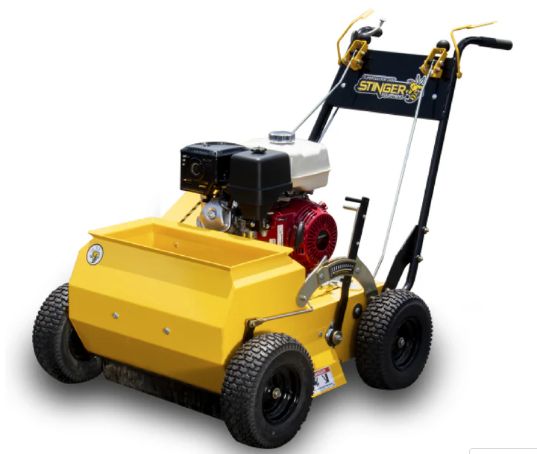
The final step is to apply the grass seed to the lawn. Choose between Emerald III (Turf Type Tall Fescue), or Supreme (Bluegrass). We use the super seeder machine to apply the seeds if possible. Note: The super seeder machine cannot be used in certain areas of the lawn, steep hills or if the gate is too small for access.

Proper Lawn Watering to Guarantee Seed Germination

TOP SEEDING PACKAGE GUARANTEE

Organo-Lawn guarantees seed germination for qualifying Top Seeding Packages when all of the following requirements are met:

  1. Top Seeding Packages Only
    The germination guarantee applies only to Top Seeding Packages performed by Organo-Lawn. Seed-only services and seeds that are delivered to the property are not guaranteed.
  2. Sprinkler Audit Required
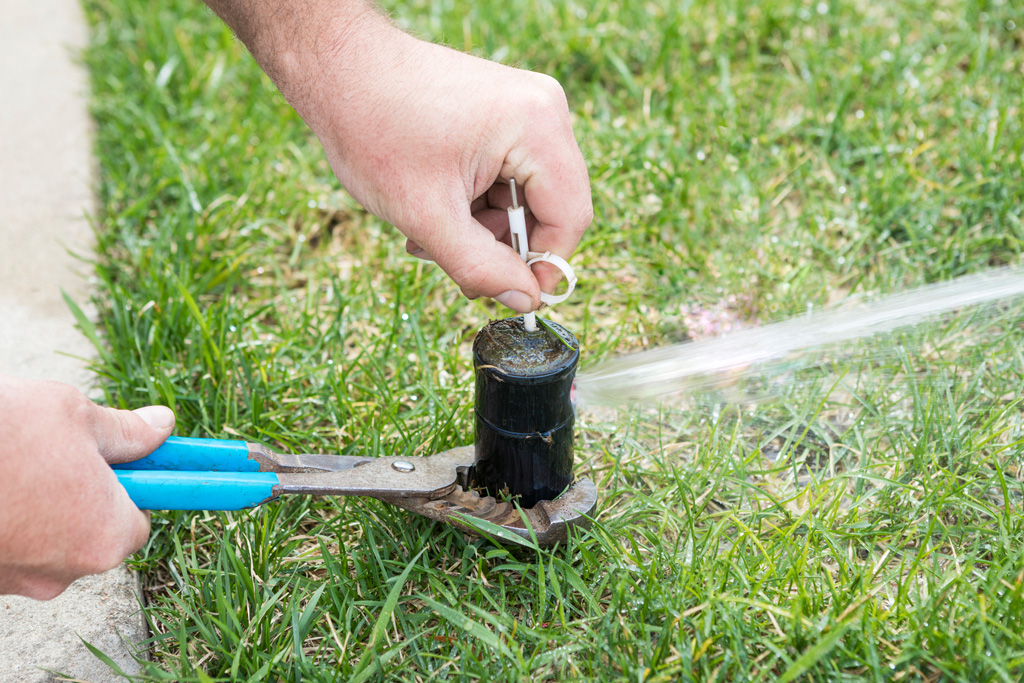
    For the guarantee to be valid, Organo-Lawn must perform a sprinkler audit within one week of the Top Seeding Package. This allows us to verify that the sprinkler system provides adequate coverage throughout the seeded areas and that the controller is properly programmed to promote seed germination.
  3. Required Sprinkler Repairs
    If sprinkler problems are identified during the audit, any necessary repairs must be completed by Organo-Lawn for the germination guarantee to remain valid. If the homeowner or another company performs the repairs, Organo-Lawn must perform an additional sprinkler audit to verify proper operation and coverage before the guarantee can take effect. The additional audit will be subject to an additional charge.
  4. Sprinkler Programming Must Not Be Changed
    The sprinkler programming established by Organo-Lawn must not be altered or changed during the germination period. Any changes to the programming will void the germination guarantee.
  5. Payment Must Be Made Within 30 Days
    The Top Seeding Package must be paid in full within 30 days of the service date. If payment is not received within 30 days, the germination guarantee will be void.
  6. The Seeding Package Must Be Performed During the Proper Seeding Window
    For the germination guarantee to be valid, the Top Seeding Package must be performed during one of Organo-Lawn’s approved seeding windows:

    • Spring Seeding: April 15 – May 25

    • Fall Seeding: August 10 – September 12

    Top Seeding Packages performed outside of these approved seeding windows will not qualify for the germination guarantee.

Sprinkler Audit for a
Top Seeding Package

Schedule Sprinkler Services
Keep it damp, not drenched! Water your newly seeded lawn lightly once per day to keep the soil moist and encourage germination.

Timeline From Seeding to Germination to Fully Established

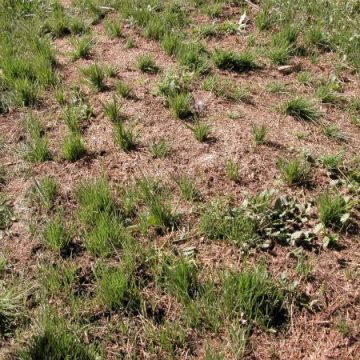
3 Weeks

Top Grass Seeding Boulder Colorado
If you want your grass seeds to thrive, remember with consistent and proper watering, you can expect them to start germinating in the aeration plug holes around the 21 day mark.
(Click on Image to Enlarge)
4-5 Weeks

Top Grass Seeding Boulder Colorado
Watch as the seeds eagerly emerge from the aeration plug holes, ready to thrive and flourish! Continue to water the lawn, but you can stop the dail waterings.
(Click on Image to Enlarge)

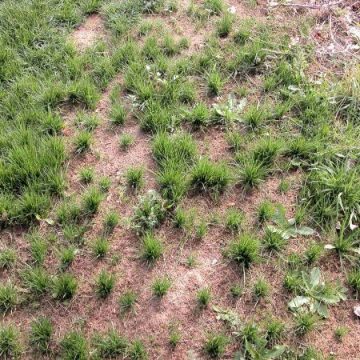
6-7 Weeks

Top Grass Seeding Boulder Colorado
The grass plugs are becoming thicker, and larger, more distinct clumps of grass are developing. The lawn is starting to thicken up and become more lush.
(Click on Image to Enlarge)

11 Weeks

Top Grass Seeding Boulder Colorado
With proper lawn watering, the grass begins to spread and create new blades via rhizomes, which are underground roots that generate new grass. A lawn is starting to appear.
(Click on Image to Enlarge)

Choice of Grass Seed

Our Top Choice – Emerald III Turf-Type Tall Fescue 

Emerald III Turf Type Tall Fescue is the king of grass for Colorado lawns.  This type of turf-type tall fescue performs exceptionally well in both full sun and full shade, making it versatile for various landscape settings. Emerald III Turf-type Tall Fescue grass seed is the ideal choice for nearly all lawn conditions in Colorado. Lawns in the Boulder and Fort Collins areas thrive when seeded with Emerald III grass.

Does Very Well in Our Clay Soils

Emerald III is well-suited to the high pH soils found in Boulder and Fort Collins. Additionally, it features strong rhizomes that help it recover from heavy foot traffic and intense use. Once established, this grass will thrive in both hot, dry conditions and cool, moist environments.

Best Choice for Colorado Lawns

Organo-Lawn believes that this grass seed blend is the best option for Colorado’s variable weather patterns and hot, dry summers. Emerald III fescue can also tolerate heavily shaded areas, such as those beneath deciduous trees. It is highly recommended for anyone starting a new lawn, as it requires 33% less watering compared to traditional bluegrass lawns.

EIII Turf Type Tall Fescue

Lawn Seeding Service Tall Fescue

Emerald III Turf-type Tall Fescue:

33 1/3% Jaguar II
33 1/3% Mustang
33 1/3% Rebel II

A Closer Look at Turf Type Tall Fescue

Lawn Seeding Service Boulder
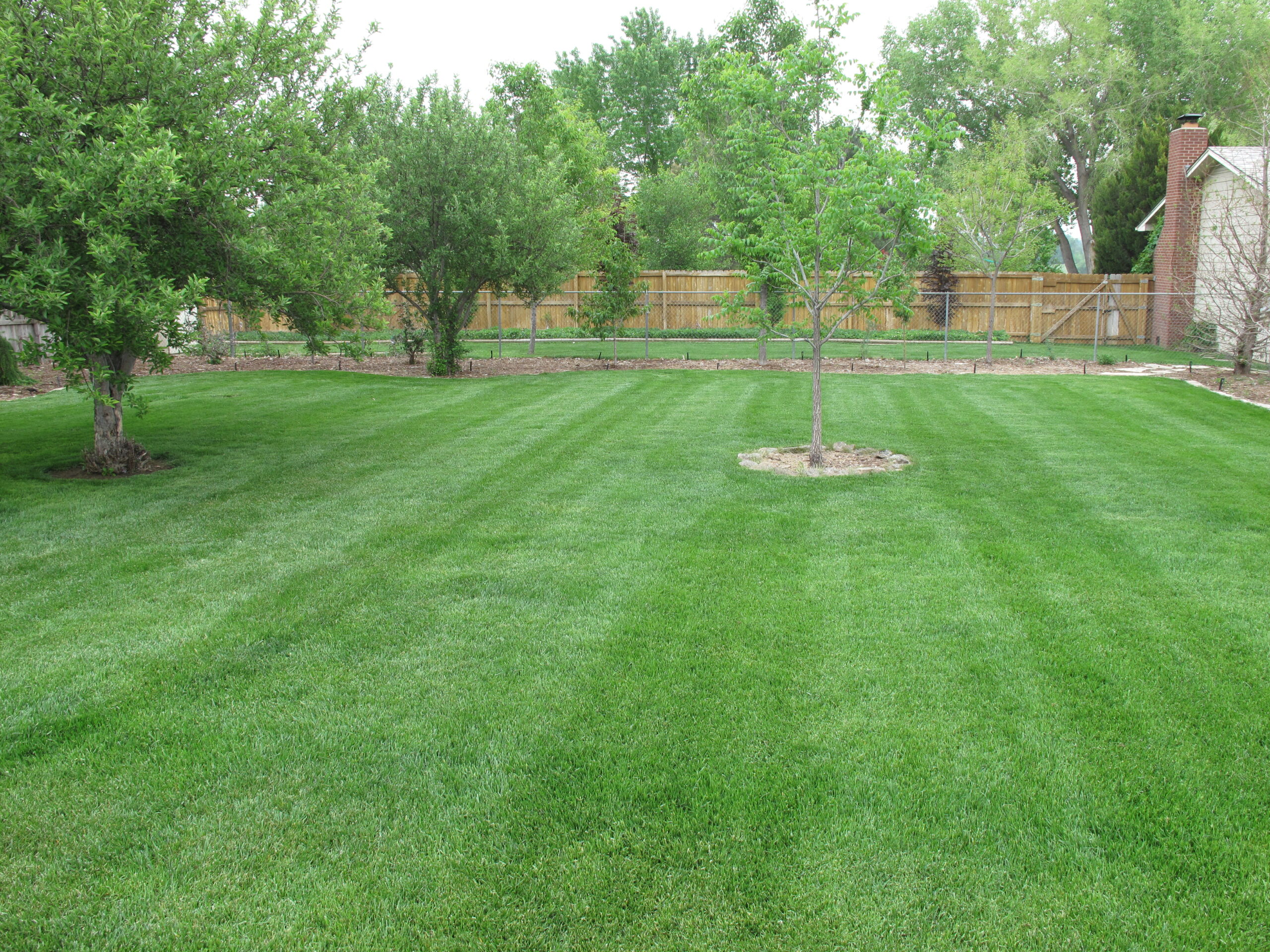
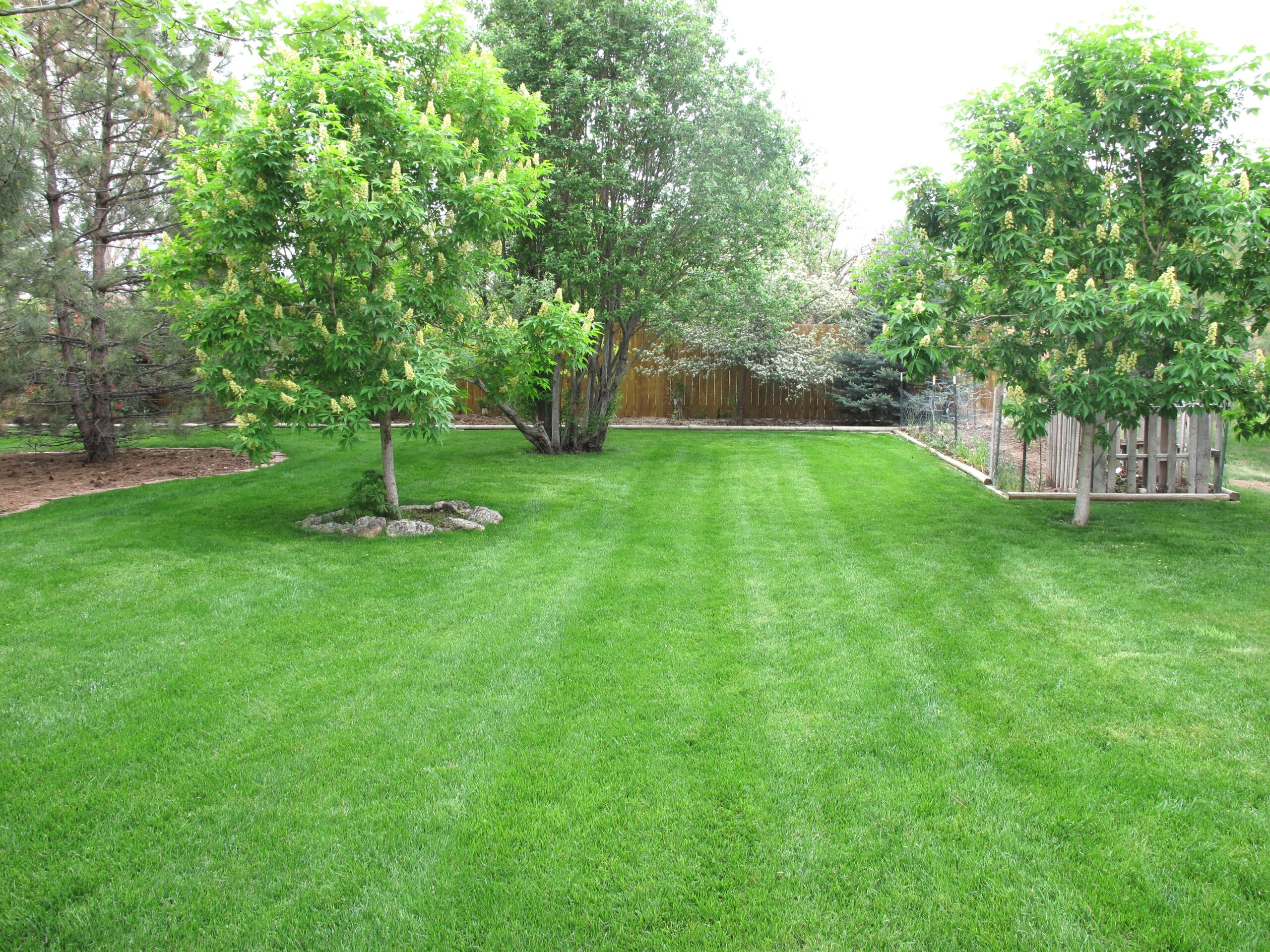
This Boulder lawn was seeded using Emerald III Turf Type Tall Fescue. Emerald III uses approximately 33% less water to stay green when compared to bluegrass.
(Click on Image to Enlarge)
Lawn Seeding Service Fort Collins
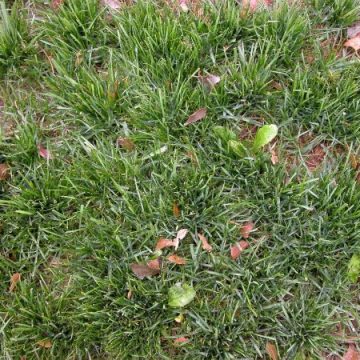
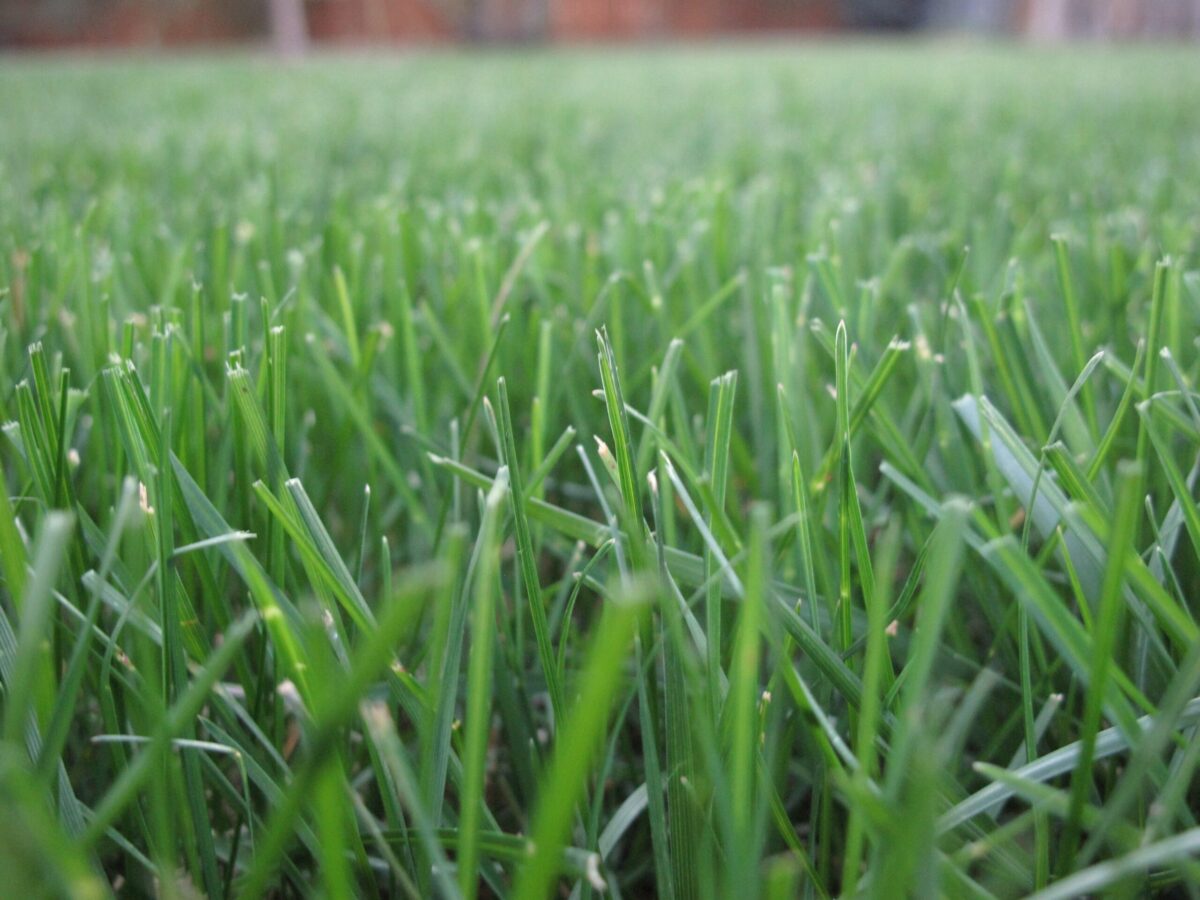
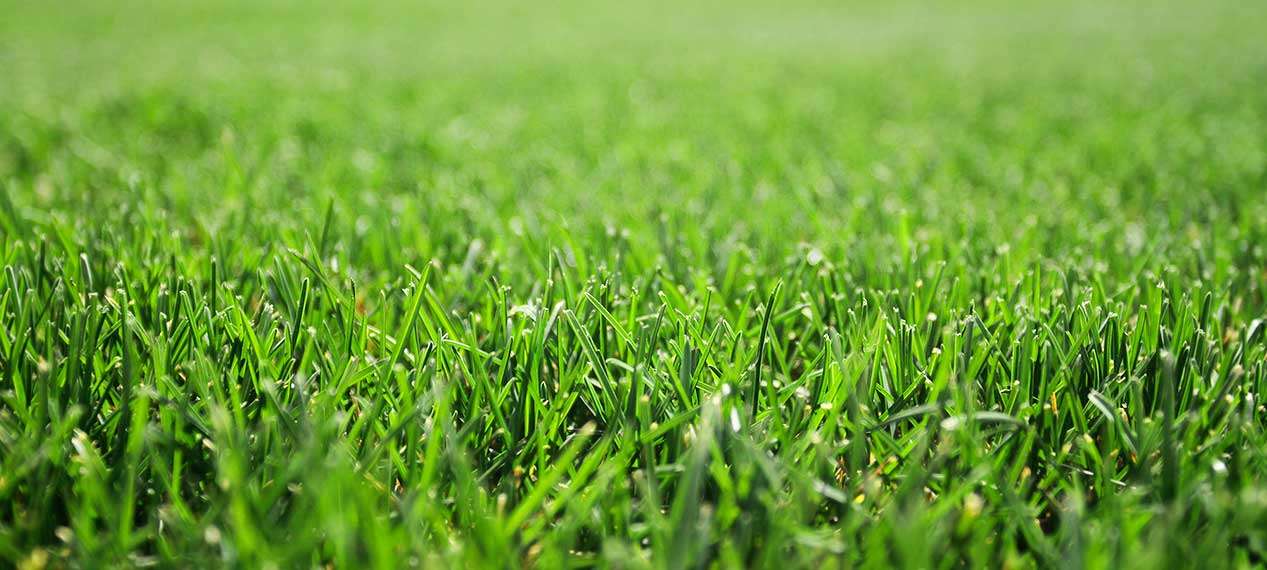
This is a close up of what Emerald III Turf Type Tall Fescue will look like with proper lawn mowing, lawn watering, and a full season lawn care program from Organo-Lawn.
(Click on Image to Enlarge)
Lawn Seeding Service Longmont
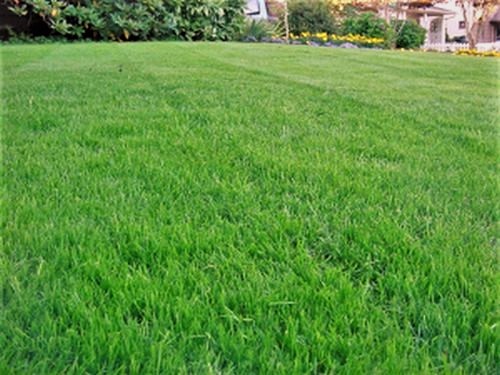
Another example of a beautiful Emerald III Turf Type Tall Fescue lawn in Boulder. This grass type can tolerate heavy foot traffic from kids and pets.

(Click on Image to Enlarge)

Emerald III Turf-Type Tall Fescue Characteristics

Emerald III Turf-type tall fescue is a cool-season grass known for its durability, adaptability, and improved aesthetics compared to older tall fescue varieties. Here’s a breakdown of its key characteristics:

Appearance

  • Medium to fine leaf blades (smoother than unimproved varieties).
  • Deep green color with proper care.
  • Forms dense, uniform turf.
  • Best kept at 3–5 inches tall.

Durability

  • Deep roots provide excellent drought tolerance.
  • Handles heavy foot traffic well.
  • Withstands heat better than other cool-season grasses.

Resilience

    • Resistant to common turf diseases and pests.
    • Recovers quickly from wear and damage.

Low Maintenance

  • Requires moderate fertilization.
  • Doesn’t develop a thick thatch layer.

Root System

  • Deep roots (up to 12+ inches) improve drought resistance.
  • Helps control soil erosion.

Adaptability

  • Thrives in various soil types, from clay to sand.
  • Moderate shade tolerance (grows in partial sunlight).
  • Suitable for cool and transitional climates.

Ideal Uses

  • Residential lawns, parks, and playgrounds.
  • High-traffic areas and erosion control.

Pros

✔ Drought, heat, and wear-resistant.
✔ Tolerates sun and moderate shade.
✔ Lush, green, and dense with proper care.

Cons

✘ Less appealing in winter.
✘ Cannot be sodded.

Best Choice for Colorado Lawns

In our opinion Turf-type tall fescue is the ideal seed type for Colorado lawns.

Supreme Lawn Seed -Bluegrass Mix

Sports Turf or to Match an Existing Kentucky Bluegrass Lawn.

The Supreme Lawn grass seed mix is a carefully selected blend of fine-textured lawn grass seeds designed to create a dense and uniform sod. This mix boasts an outstanding deep dark green color, excellent durability, strong heat and drought tolerance, good winter hardiness, and notable resistance to lawn diseases. It incorporates the benefits of the Allblue bluegrass blend while adding Creeping Red Fescue, which can thrive in the poor soil conditions commonly found in Boulder and Fort Collins area lawns.

Requires a Lot of Sunlight

This grass seed is a high-quality Kentucky bluegrass type that is particularly well-suited for Colorado lawns and is frequently used by lawn seeding services for areas with ample sunlight. It features fine blades, a rich dark green hue, and excellent tolerance to foot traffic. Additionally, it offers fair heat and drought resistance, as well as good winter hardiness and disease resistance.

Tolerates Foot Traffic

One limitation of bluegrass, however, is its poor establishment in heavily shaded areas. To thrive in Boulder or Fort Collins, bluegrass requires about 70% sunlight throughout the day. If homeowners have struggled to successfully seed a lawn area, it is likely due to insufficient sunlight for the bluegrass to survive. In such shaded areas, Emerald III grass seed would be the preferable alternative for regions that do not receive ample sunlight.

Sod is Usually Bluegrass

Bluegrass is the most commonly used grass type in Colorado lawns. This popularity stems from its easy sod installation and its ability to withstand drought conditions. While bluegrass does require more water to maintain its vibrant green color, it can enter a dormant state if it goes without water. Remarkably, even after an extensive drought—lasting up to a year—bluegrass can reactivate and regain its health once water becomes available again. Thus, bluegrass is often considered virtually drought-proof.

Supreme Bluegrass Lawn

Lawn Seeding Service Louisville CO

Supreme Lawn Grass Seed Mix

Bluegrass Seed Blend

70% Kentucky Blue, Allblue
20% Perennial Rye, Four-Play
10% Creeping Red FescueII

A Closer Look at Kentucky Bluegrass

Lawn Seeding Service Erie CO
This Boulder lawn received a lawn seeding service using a Kentucky Bluegrass mix, which is an excellent choice for a Boulder lawn.
(Click on Image to Enlarge)
Lawn Seeding Service Lafayette CO
This is a close up of what Supreme seed will look like with proper lawn mowing, lawn watering, and a full season program.
(Click on Image to Enlarge)
Lawn Seeding Service Westminster CO
Another example of a beautiful bluegrass lawn in Boulder. This grass type can tolerate heavy foot traffic from kids and pets.
(Click on Image to Enlarge)

Bluegrass Lawn Characteristics

Kentucky bluegrass is a popular cool-season grass known for its lush, dense, and vibrant appearance. It’s prized for its aesthetic appeal and resilience in northern climates. Here are its key characteristics:

Appearance

  • Fine to medium leaf blades for a soft, smooth lawn.
  • Rich green to bluish-green color.
  • Spreads through rhizomes, creating a dense, uniform turf.
  • Best kept at 3–3.5 inches tall.

Climate Suitability

  • Thrives in cool, moist climates (Northern U.S.).
  • Grows best between 60–75°F but may go dormant in extreme heat or cold.
  • Highly cold-hardy, ideal for harsh winters.

Sunlight Needs

  • Prefers full sun (6–8 hours daily).
  • Struggles in heavy shade but tolerates light shade.

Maintenance

  • Needs regular fertilization (4–5 times per year).
  • Requires consistent watering, especially in dry conditions.
  • Needs frequent mowing for a neat look.
  • Prone to thatch buildup, requiring occasional aeration.

Soil & Root System

  • Grows best in well-drained, fertile soil (pH 6.0–7.0).
  • Shallow roots require regular moisture.

Recovery & Resistance

  • Rhizomes help it spread and fill in bare spots.
  • Recovers well from thinning and wear.
  • Prone to pests like white grubs and sod webworms.

Establishment

  • Slow to germinate from seed (about 22 days).
  • Commonly used as sod due to its spreading growth.

Resilience

  • Moderate wear tolerance but recovers slowly from damage.
  • Susceptible to fungal diseases like dollar spot and rust.
  • Low to moderate drought tolerance; goes dormant when dry but recovers with water.

Pros

✔ Dense, carpet-like, vibrant green lawn.
✔ Cold-hardy and durable for northern climates.
✔ Self-repairs through rhizomes.

Cons

✘ High maintenance (frequent mowing, watering, and fertilization).
✘ Prone to disease and drought stress.
✘ Struggles in shade and overly wet areas.
✘ Slow to establish from seed.

Ideal Uses

  • Residential Lawns: Lush, uniform appearance.
  • Sports Fields: Handles moderate traffic.
  • Parks & Open Spaces: Creates an attractive green landscape.

Top Seed Choice to Match a Bluegrass Lawn

With proper care, a Kentucky bluegrass lawn offers unparalleled beauty and durability, making it a top choice for those willing to invest in its maintenance.

When Should a Lawn Be Seeded?

Top Seeding Lawn Seeding Service Boulder

Ideal Times to Seed a Colorado Lawn:

April 7th – May 20th
August 10th – September 1st

*IMPORTANT TO NOTE: We guarantee the germination of our grass seeds if the top seeding package is completed within the specified dates and Organo-Lawn conducts a sprinkler audit within two weeks of the lawn seeding service. Fall top seeding packages are guaranteed, except in cases of weather events such as frost or major snowstorms that may harm the newly germinating grasses.

Seeding Season in Colorado:

Spring: April 7th – May 31st*
Fall: August 10th – September 15th*

*IMPORTANT TO NOTE: We guarantee the germination of our grass seeds if the lawn seeding service is a top seeding package and it is completed within the specified dates and Organo-Lawn conducts a sprinkler audit within two weeks of the seeding package. Fall top seeding packages are guaranteed, except in cases of weather events such as frost or major snowstorms that may harm the newly germinating grasses.

Order a Lawn Seeding Service

Organo-Lawn is your local lawn care expert and can set up a lawn seeding service for your lawn. 
(303) 499-2000 Boulder or (970) 225-9425 Fort Collins

Why is the Grass Underneath My Shade Tree Thinning?

Lawn Seeding Service FAQs

Is Kentucky Bluegrass Shade Tolerant?

Bluegrass needs about 70% sunlight each day to stay healthy. If you’ve tried to seed a lawn under a tree several times without success, the problem may be that there isn’t enough sunlight for the bluegrass to thrive in that area. A better choice for those conditions would be turf-type tall fescue, which can tolerate up to 80% shade.

Is Turf-Type Tall Fescue Ugly?

Most people will have a hard time telling the difference between an Emerald III lawn and a bluegrass lawn, and for good reason. Turf-type tall fescue offers a stunning aesthetic and feels incredibly soft underfoot, far surpassing the coarse texture of unimproved tall fescue. Unlike some unimproved varieties that can appear clumpy and uninviting, turf-type tall fescue consistently presents a well-manicured look. Emerald III is exceptionally shade-tolerant, thriving in both full sun and areas with up to 80% shade. Plus, its robust rhizomes and deep root system enable it to withstand heavy foot traffic with ease. Better yet, it requires 33% less water to remain lush and green than bluegrass, making it a smart, sustainable choice for any lawn.

Are Fescue Grasses Drought-Proof?

No, fescue is drought tolerant because it requires about 33% less water to stay green compared to a bluegrass lawn, but fine fescue is not drought-proof and will die if left without water for a long period of time (1-3 months with zero water). Bluegrass is not drought tolerant but it is drought proof because it will go dormant when it does not receive water.

To ensure the best results, please avoid walking on the lawn as much as possible and limit heavy traffic for 6-8 weeks after the service. Foot traffic significantly decreases the percentage of seeds that germinate properly.

Rain Maker is considered non-toxic and is made from the same water-absorbing polymer technology used in baby diapers. While it is considered non-toxic for people and pets when used as directed, ingesting large quantities of the polymers may pose a health risk. As a precaution, we recommend keeping young children who tend to put objects in their mouths, as well as dogs or other pets that are prone to eating foreign objects, off the lawn until Rain Maker has been thoroughly absorbed into the soil and is no longer visible on the surface.

Rain Maker may also become slippery when wet. Following heavy rain, snowfall, or irrigation, the polymers can temporarily form a gel that may create a slippery surface. If this occurs, avoid walking on the treated area until the polymers have either been fully absorbed into the soil or have dried and returned to their original state. Wait until this has occurred before mowing or resuming normal use of the lawn.

Grass seed will be applied using a special machine called a Stinger Super Seeder.  If the super seeder does not fit into the area that needs to be seeded then we will double aerate that section and use a chest spreader or hand spreader to apply the seed. 

Humate will be applied with a push spreader, and Rain Maker will be applied with a hand spreader. During the grass seed application, the distribution will not be uniform. We will apply more seed to bare areas, less seed to thin areas, and only a small amount to thick areas. Our goal is to create a lawn that is dense, thick, and even.

Post-emergent weed control is best applied at least one week before overseeding or two weeks after. However, since each weed control product is different, it is essential to read the label of the weed killer before applying it to your lawn.

Different types of grass seeds germinate at various times. Ryegrass typically germinates in about 9 days, Fescue takes around 16 days, and Bluegrass requires approximately 22 days to germinate. Additionally, it’s important to ensure that the soil remains adequately moist, as the seeds will not germinate without sufficient moisture.

The lawn needs to be watered daily for four to six weeks. We recommend watering for 10 minutes with rotary and MP rotator nozzles, and 2 to 4 minutes with pop-up nozzles. Additionally, continue watering deeply according to the 1-2-3-2-1 technique. This means that the lawn will be watered deeply for 1 or 2 days per week, while on the remaining 5 or 6 days, it will receive a lighter watering.

Setting up a sprinkler system for seeding can be complicated, and Organo-Lawn will only guarantee seed germination if Organo-Lawn programs the clock to water correctly.

All of our grass seed types are visually appealing, featuring vibrant colors and a soft texture.

Best Choice – Emerald III consists of 33.3% Jaguar II Turf-Type Tall Fescue, 33.3% Mustang Turf-Type Tall Fescue, and 33.3% Rebel II Turf-Type Tall Fescue. Emerald III is tough and durable, able to withstand low mowing heights, hot weather, and extreme drought with limited watering. It adapts well to moist soils and recovers quickly from heavy foot traffic, performing well in both sunny and shady areas.

Good Choice – Supreme contains 70% Kentucky Bluegrass (Allblue blend), 20% Perennial Ryegrass (Four-Play), and 10% Creeping Red Fescue. This blend has a deep green color, excellent wear resistance, good disease resistance, and winter hardiness; however, it requires more water and frequent mowing. Many people are attracted to bluegrass for its aesthetic appeal.

For Low Maintenance Areas – Ecological includes 20% Hard Fescue, 20% Chewing’s Fescue, 20% Creeping Red Fescue, 25% Kentucky Bluegrass, and 15% Perennial Ryegrass. This mix establishes quickly, creating a dense and low-growing turf that requires less mowing. It has a fine texture, thrives in open sun, and offers good shade and drought tolerance. Additionally, it tolerates poor soil conditions and low fertility but is not recommended for high-traffic areas or athletic fields.

To achieve the best results after seeding, it’s crucial to wait at least 10 days to two weeks before mowing. When it’s time to mow, remember to set your mower to the highest setting to protect your newly grown grass.

Top seeding aims to fill in small gaps and help establish young grass in an older, thinning lawn. With proper watering, only about 50-80% of the applied grass seeds will germinate. Therefore, a second application may be necessary for lawns that are particularly thin.

Fertilizer decreases grass seed germination. Typical rates are 50%-80%. With fertilizer, rates decrease to 10%-40%, as this can overstimulate new seed.

In our opinion.  Emerald III Turf Type Tall Fescue is the perfect grass variety for Colorado lawns. It features a fine texture, a rich dark green color, and a dense, uniform turf that resembles Bluegrass in quality. Emerald III is tough and durable, exhibiting cold tolerance and the ability to withstand low mowing heights. Once established, it requires less fertilization and thrives in hot weather, making it suitable for drought conditions with limited watering. This grass type recovers well from foot traffic and heavy use. It performs admirably in full shade and possesses a wide range of adaptability and pH tolerance. Additionally, it is highly drought- and disease-resistant, making it an ideal choice for Colorado. Notably, two of the three seed cultivars received a #1 rating in their respective categories in 2006.

Grass Seed Comparison Chart

Feature / Trait

Emerald III
(Turf-Type Tall Fescue)

Supreme Lawn Mix
(Kentucky Bluegrass Blend + Creeping Red Fescue)

Ecological Seed Mix
(Fine Fescues)

Best Use

High-traffic lawns, pets, kids, full sun and/or heavy shade; premium appearance

Traditional irrigated lawns with good sunlight; premium appearance

Low-maintenance, low-water, low-traffic turf areas

Sun / Shade Tolerance

Full sun → 80% shade tolerance

Needs good sunlight; moderate shade OK; full shade bad

Sun or shade; excellent for low-water areas

Germination Time

~16 days

~21 days for bluegrass (slowest of the three)

~16 days

Drought Tolerance

High – uses ~33% less water than bluegrass; drought resistant but not drought proof → will die in severe drought.

Moderate – needs consistent irrigation to stay green; drought proof → will go dormant in severe drought

Very high – great for non-irrigated areas;  drought resistant but not drought proof → will die in severe drought.

Foot Traffic Tolerance

Excellent – strong rhizomes, repairs damage quickly

Good – suitable for typical lawn use

Poor – rhizomes are weak; not for heavy foot traffic

Blade Texture

Medium–thick, soft turf-type blade

Fine-bladed, dense, dark green

Very fine-bladed, soft, low-growing

Color

Deep / emerald-green

Deep, dark blue/green

Medium–dark green

Root Depth

Up to 1 ft (very deep)

Moderate root depth 6-9 inches

Moderate root depth 6-9 inches

Disease Resistance

Very strong (NRS, Ascochyta, Dollar Spot)

Good overall

Good, especially in low-input lawns

Maintenance Needs

Moderate – requires regular mowing, less water than bluegrass

Higher – needs regular mowing, watering, fertilizing

Low – minimal mowing, fertilizing, watering

Ideal Locations

Most residential lawns; high-wear areas; shaded areas

Standard irrigated lawns; homeowners wanting premium turf; sports turf

Berms, septic fields, non-irrigated areas, low-use lawns

Not Recommended For

None Restrictions—great all-purpose seed ideal for Colorado

Not Recommended for Heavy shade, low-water lawns, or very high-traffic turf

Any lawn with pets, kids, or regular foot traffic

Yes, you can apply Emerald III over a Bluegrass lawn. However, you might notice a slight difference between the two grass types. Emerald III has a wider blade and a deeper green color. While most people don’t recognize the difference, lawn experts may be able to spot the subtle variations between the two types of grass.

Emerald III is a type of turf tall fescue known for its uniform growth, softness, and traditional lawn appearance. Emerald III is very aesthetically pleasing to the eye and soft of the feet.  In contrast, the unimproved tall fescue that many people consider problematic tends to grow in clumps, feels stiff to the touch, and exhibits an irregular growth pattern.

Once established, an Emerald III lawn requires about one-third less water compared to Bluegrass lawns.

In Colorado, selecting sod is the most effecient way to create a beautiful lawn. Bluegrass is usually the grass of choice because it can be easily harvested and rolled, making installation straightforward and efficient. In contrast, tall fescue, which is known for its clumping growth habit, cannot be rolled into sod strips, complicating the installation process. As a result, seeding is the preferred method for achieving a lush tall fescue lawn. This is why you will predominantly find bluegrass blends in sod rolls throughout the region. Since fescue can only be seeded, most landscape companies install bluegrass sod to provide instant results even though fescue is a better grass type for Colorado.

It is most likely because the bluegrass under your shade tree does not receive enough sunlight per day.  Bluegrass needs a lot more direct sunlight to stay healthy than fescue grasses.

  1. Lack of Sunlight
  • Bluegrass Needs Light: Kentucky bluegrass requires about 4-6 hours of direct sunlight daily to thrive. Under a shade tree, sunlight is often blocked, preventing photosynthesis.
  • Dense Canopy: A dense tree canopy can further reduce light penetration, especially during the growing season.
  1. Competition for Resources
  • Tree Roots vs. Grass Roots: Tree roots compete with grass for water, nutrients, and space. Large, established trees typically win this competition, leaving grass stressed.
  • Nutrient Deficiency: The shade tree might be absorbing most of the available nutrients in the soil, starving the grass.
  1. Soil Compaction
  • Overwatering: Most people overwater underneath trees and this creates severe compaction in the soil.
  1. Species Mismatch
  • Bluegrass Struggles in Shade: Kentucky bluegrass is not well-suited for shaded environments. It prefers sunny, open spaces and may fail to thrive under a tree.  Fescue is a much better choice for shade areas.

Solutions to Revive Grass Under Your Shade Tree

  1. Increase Light Availability:
    • Trim or thin the tree canopy to allow more sunlight to reach the grass.
  2. Choose Shade-Tolerant Grass:
    • Replace bluegrass with shade-tolerant species like fine fescue or tall fescue.
  3. Improve Soil Conditions:
    • Aerate the soil to reduce compaction and improve root access to water and nutrients.
    • Add a thin layer of compost to enrich the soil.
  4. Adjust Watering Practices:
    • Water deeply but less frequently to encourage deep root growth for both grass and trees.
  5. Apply Mulch Around the Tree:
    • Replace grass near the tree trunk with mulch to reduce competition and create a neat aesthetic.
  6. Reduce Foot Traffic:
    • Minimize activity under the tree to reduce soil compaction.
  7. Consider Alternative Landscaping:
    • Replace grass with shade-loving ground covers like hostas, ivy, or moss in extreme cases.

Unimproved tall fescue grass is a clump-forming variety, which means it grows in uneven patches that can look unattractive. This type of tall fescue can be rough to walk on and lacks visual appeal. In contrast, turf-type tall fescue is an improved variety that is more aesthetically pleasing and softer underfoot.

Organo-Lawn guarantees seed germination for qualifying Top Seeding Packages when all of the following requirements are met:

  1. Top Seeding Packages Only
    The germination guarantee applies only to Top Seeding Packages performed by Organo-Lawn. Seed-only services and seeds that are delivered to the property are not guaranteed.
  2. Sprinkler Audit Required
    For the guarantee to be valid, Organo-Lawn must perform a sprinkler audit within one week of the Top Seeding Package. This allows us to verify that the sprinkler system provides adequate coverage throughout the seeded areas and that the controller is properly programmed to promote seed germination.
  3. Required Sprinkler Repairs
    If sprinkler problems are identified during the audit, any necessary repairs must be completed by Organo-Lawn for the germination guarantee to remain valid. If the homeowner or another company performs the repairs, Organo-Lawn must perform an additional sprinkler audit to verify proper operation and coverage before the guarantee can take effect. The additional audit will be subject to an additional charge.
  4. Sprinkler Programming Must Not Be Changed
    The sprinkler programming established by Organo-Lawn must not be altered or changed during the germination period. Any changes to the programming will void the germination guarantee.
  5. Payment Must Be Made Within 30 Days
    The Top Seeding Package must be paid in full within 30 days of the service date. If payment is not received within 30 days, the germination guarantee will be void.

Rain Maker is considered non-toxic and is made from the same water-absorbing polymer technology used in baby diapers. While it is considered non-toxic for people and pets when used as directed, ingesting large quantities of the polymers may pose a health risk. As a precaution, we recommend keeping young children who tend to put objects in their mouths, as well as dogs or other pets that are prone to eating foreign objects, off the lawn until Rain Maker has been thoroughly absorbed into the soil and is no longer visible on the surface.

Rain Maker may also become slippery when wet. Following heavy rain, snowfall, or irrigation, the polymers can temporarily form a gel that may create a slippery surface. If this occurs, avoid walking on the treated area until the polymers have either been fully absorbed into the soil or have dried and returned to their original state. Wait until this has occurred before mowing or resuming normal use of the lawn.